Intro
This essay is about the uses of Single camera production. Single
camera production is the production of a moving image product with one camera
only. The essay will introduce you to the various ways in which many aspects of
filming is accommodated when filming with one camera. Also single camera
production is used a lot when filming some of the genres of TV. In the essay we
I will explore on how a single camera can film these genres in the media
industry.
Camera
The camera in a single camera production is used to make the
audience feel more immersed in the action and drama of the scene. With one
camera many advantages are offered to the director than many cameras. The
advantages are usually noticed when the project is focused around heavy
dialogue. Also with one camera it is usually a lot easier to control the
camera. However with multiple cameras the director is limited to the control as
his focus is on more cameras rather than a individual one. However with the
single camera progress can be slow and you may have to go out to the same
location to get the other shots. This can be very expensive to film which is
often the case with single camera production due to the duration of them. Each
shot is individually shot by the camera. Never the less this is only a minor setback
as many projects use a single camera for production and become very successful. Another advantage with the camera is that you can get into small spaces with a single camera. When in multi camera productions you tend to have a much harder time trying to fit the multiple cameras into a cramped space.

Lighting
The lighting in a single camera production
is often more easier to control than multi camera productions. With multi
camera productions every camera must have the same amount of light that will
look good. This can be difficult to control because when you change one light
source it can affect all of the cameras. When made with multi cameras the shots
can become distorted by the lack of light in the other cameras. With a single
camera it can be easier as you only need to control the lighting for one camera
which is more efficient.

Sound

The
advantages of sound in a single camera production are that the expense isn't
that much compared to a multiple camera production. With sound it is very
important to capture it professional with the right equipment. This can
increase the production value of your product and keep people from thinking it
was made by in experienced people. Firstly with single camera production it is
commonly that a filmmaker must films scenes in a specific way to capture the
sound effectively. Usually when you start the scene and end the scene straight
away the sound will start and stop suddenly making the audio seem jumpy.

Coverage
The coverage in single camera production
is the shots that you have when you come to editing. Having a lot of film can
give you plenty of options when you come to the editing process. This is
important as with more options available you won't be stuck with one
un-watchable scene you recorded. You also need to record the scene from
different angles to make the film professional in the eyes of the viewers. This
can ultimately lead to the production budget as it can vary with the amount of
camera's that are capturing the scene. It is also important to make a master
shot of the scenes you are going to shoot. This is usually a long shot or a
wide shot of the whole scene so you can cut to it if you need to.

Editing
Again the problem with single camera
productions is that it takes a long time to film the scenes you want. With
multi camera production the process of filming can be quick however the editing
can be longer because more shots are acquired. Commonly with multi camera
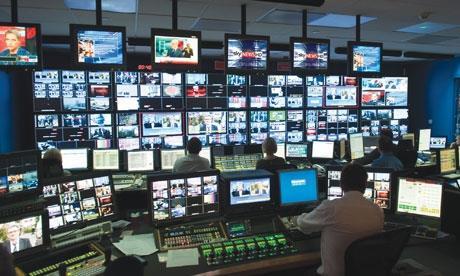
productions, TV programs are can be edited live if need be because of the
amount of footage that can be acquired. With single camera productions this
wouldn't work in a single camera production as the filming must be done first.
In Single and Multi camera production shot logs are used to help determine
which footage is good and bad. After each bit of footage that is filmed you
record it and give a rough description of the footage quality and how well it
went.
Single Camera Genres and Formats
Genres -
Period
Period dramas are often leaning towards the
single camera production than multi camera production. Period dramas are
drama's set in the past and are often referred to as costume dramas. They
usually use costumes and props to simulate this historical environment. The
reason why it would favour single camera production more is because the
production is ideal for projects focused on dialogue. Also with single camera
productions it is very useful when filming all the scenes at once which is
usually how these drama's work.

Crime Drama
Crime dramas are usually filmed with
single camera productions. The drama is usually centered on the law and
criminals. Theses dramas tend to be a lot darker than other sub genres of
drama. They use many techniques like low key lighting. If you tried to do this
with multi cameras you couldn't use these techniques as the cameras are all affected
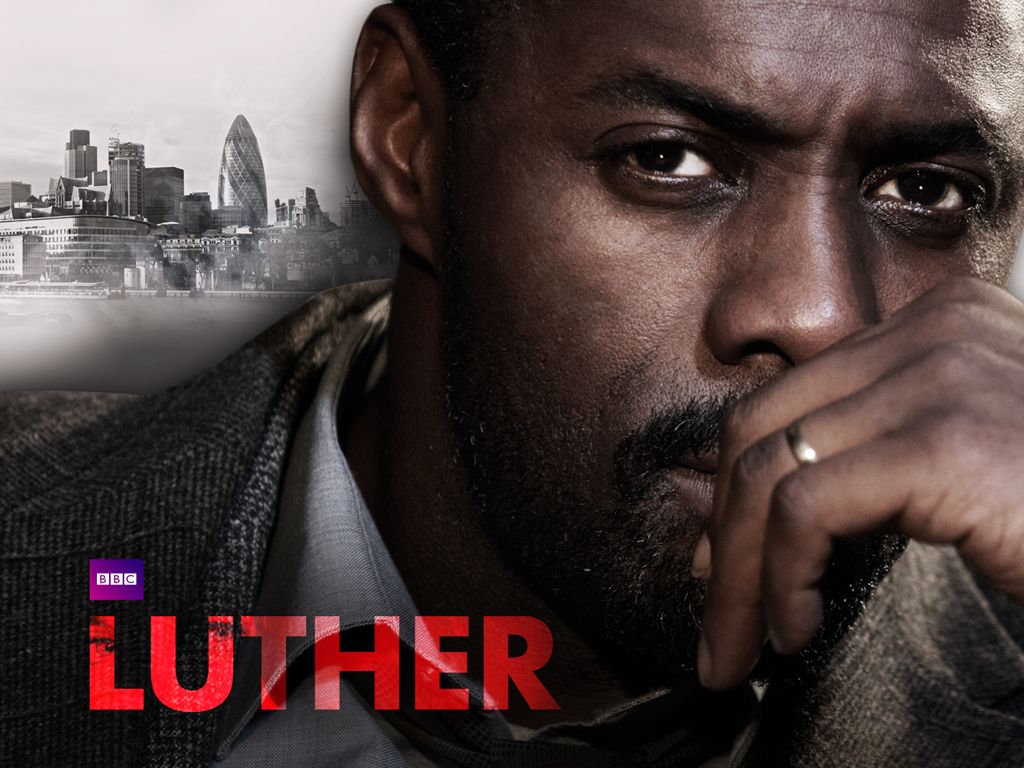
by the light. An example of this would be Luther the crime series on the
BBC.
Horror
Horror is often used in single camera
production however multi camera productions can do this as well. With single
camera productions it can make the audience feel more immersed and personal. It
builds up tension very well and multi camera productions usually can't pull
this off. However when there are actions sequences in the horror film or TV
program a multi camera production would be more suitable as it can capture more
shots of the scene from multiple angles.
Comedy
With comedy's it depends on the type of comedy that determines whether it favors single or multi camera production. If it is a sitcom it often favors multi camera techniques. Sit coms like Friends and The Big Bang Theory often use multi camera production as the single camera productions can't get the other actors reactions to certain jokes without the scene being all jumpy as the camera has to be set up again every time. However with other famous sit coms like Scrubs it can work just as well


Soap Opera's
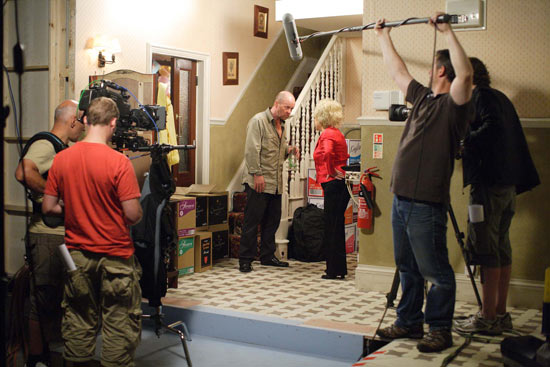
Soap Operas are often used in multi camera productions because
they have to be consistently produced at a fast rate. Soap Opera's like EastEnders
have episodes on every weekday which means they must be produced at a fast
pace. However with multi camera productions it is not mobile as the single
camera productions are in houses. When in houses multi cameras are harder to
capture scenes as it can be more cramped conditions but with single camera
production it can be more effective.
Formats -
Series
Series is the running of many episodes
containing the same characters each episode however they have different narrative
every time. Usually there is one overall arcing plot that lasts and develops
throughout the episodes. This is included in many TV series. Some of these
series could be Breaking Bad and Game of Thrones. In Breaking Bad the overall
plot is how Walter white is dealing with the current situations however the
episodes differ from narrative as the episodes are centered around sub plots
like laundering the money he gets selling methamphetamine.

Serial
A serial TV programme essentially doesn't
stop with the episodes. There can be multi stranded narratives going on between
the characters that progress through many episodes. This means there usually
isn't any main protagonist that drives the narrative as there are too many. As
there are so many narratives in a serial the programmes usually never end or
end after a very long course of time. An example of this is EastEnders and Coronation
Street. These are very popular British soaps that have been aired for a very
long time usually consisting of at least a couple of episodes a week at
least.

Single Drama
A single camera drama is usually made up
of 1 to 3 parts. The drama is usually centered on one individual. These dramas
only air one time and then it won't come on again. However some are known to
make series of single camera dramas however episodes will have completely
different characters and narratives to the one before. An example of this would
be the crime drama in which people are a convicted of a crime and you find out
who is guilty for it. Once an episode is aired it isn't usually aired ever
again.

Multi Camera Techniques
Advantages
With multi camera productions there are
many advantages it has over single camera productions. One of these is that the
re shoots are significantly smaller than single camera production. This can
save a lot of money when on production. You can also get shots from many
different angles that you can cut back to if there are any errors with the any
of the other shots. With multi camera's production is a lot quicker as actors
can continue on with a long scene as there are many cameras to get footage.
This means they won't have to stop and go all the time. This is how the two
different production types differ. With a single camera you need to stop and
set up the camera again to get the next shot.

Disadvantages
Although multi camera productions are
efficient the quality can sometimes go down. This could be said for the
lighting. In a multi camera production the lighting can be hard to control as
you need all of the lights to be correctly placed because it can affect every
camera. This can lead to shots to being over or under exposed which can
decrease the production value of the shots. Also the director has not as much
control over all the other shots than he does in a single camera production.
The space is also a factor when filming for a multi camera production. The
locations are usually restricted as you can't always fit in all of the cameras
in a cramped location.

Duncan,
ReplyDeleteThis is another solid piece of work from you; you have managed to cover everything required and you bring in clear and well-chosen examples. In order to achieve the highest grades you should be describing the movement and positioning of the camera and more of the technical details of sound recording and live editing etc.
Merit achieved.
Ellie